
The expressive range of pastels lies not only in their rich pigment but in the variety of marks an artist can make with them. From subtle blends to assertive linear strokes, the way pastel is applied to the surface has a direct impact on both form and mood. This brief guide introduces several foundational pastel techniques. Each can be employed individually or layered in combination to achieve depth, structure, or atmosphere.
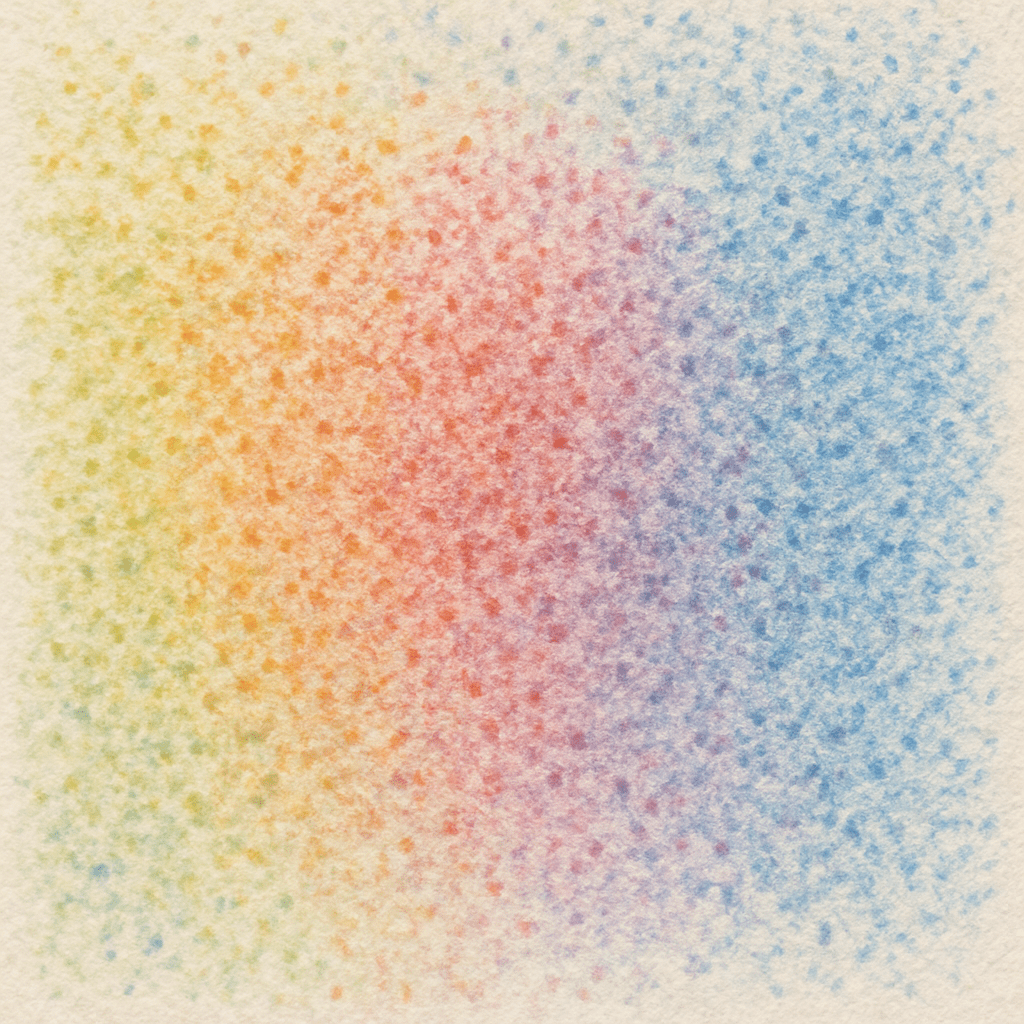
Stippling
Definition: A field of small dots, evenly or unevenly spaced
Function: Creates texture, tonal variation, or diffused light effects
Application: Particularly effective for foliage, granular surfaces, or atmospheric light
To execute, use the tip of a firm pastel to tap the surface, adjusting pressure and spacing as needed.
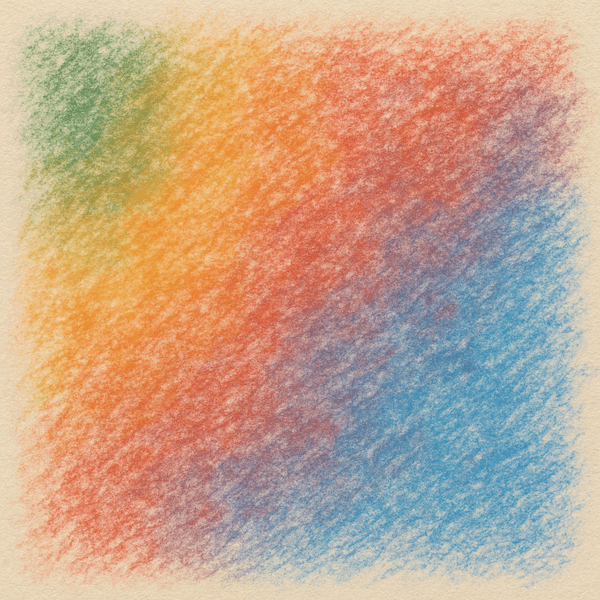
Scumbling
Definition: A light, irregular dragging of pastel across the surface
Function: Produces a broken, layered texture that allows underlayers to remain visible
Application: Useful for weathered surfaces, rough textures, or natural elements such as grasses
Employ the side of the pastel with minimal pressure, moving the hand loosely in overlapping motions.
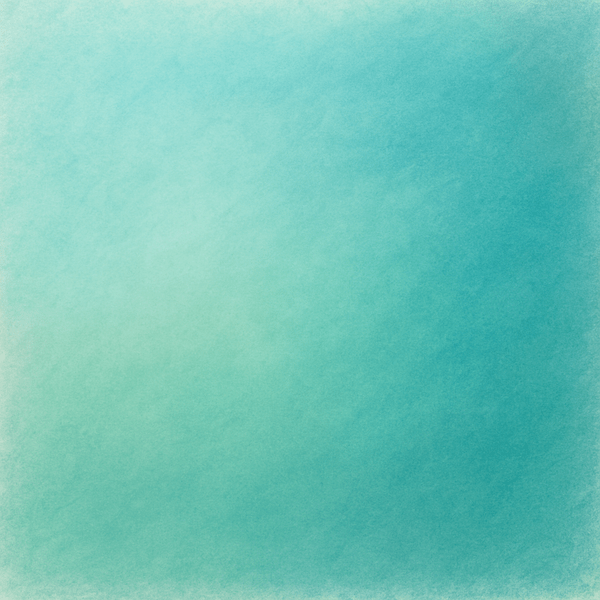
Blending
Definition: The physical merging of two or more adjacent pastel areas
Function: Softens edges and transitions, creating uniform fields of tone or colour
Application: Common in skies, skin tones, water, or any area requiring tonal unity
Blending can be done with fingers, cloth, or blending tools. Use judiciously, as overuse can deaden surface vibrancy.
Sfumato
Definition: From the Italian sfumare (“to evaporate”): the technique of rendering imperceptible transitions between tones
Function: Evokes softness and depth, without evident boundaries between tones
Application: Ideal for atmospheric effects, mist, shadows, or facial modelling
Requires gradual layering and subtle manipulation of edges. Especially effective on sanded or velvety surfaces.
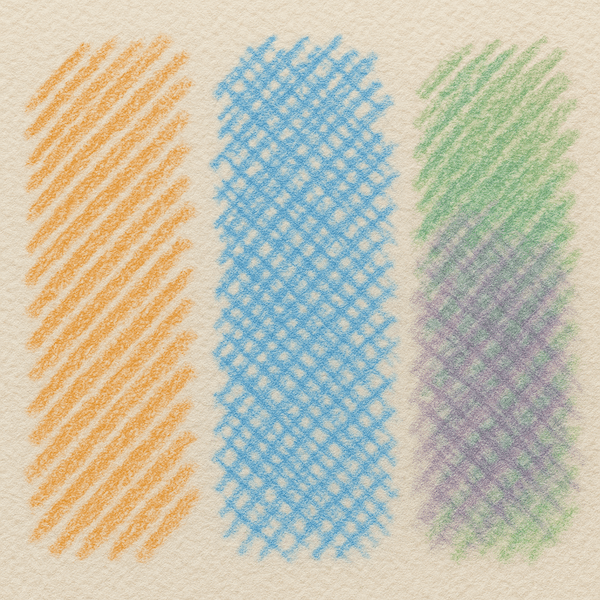
Hatching
Definition: A series of parallel lines applied in a single direction
Function: Suggests volume, surface texture, or directional light
Application: Useful in structural studies or where a rhythmic visual effect is desired
Use a sharpened pastel or pencil and keep spacing consistent to establish tonal range.
Cross-Hatching
Definition: Successive layers of hatching, applied at varying angles
Function: Builds tonal density and adds formal weight to the image
Application: Suitable for portraiture, shadows, or architectural form
Maintains the linearity of hatching while achieving greater tonal variation through overlay.
Cross-Toning
Definition: Cross-directional strokes in distinct hues rather than values
Function: Allows for optical colour mixing and nuanced tonal shifts
Application: Effective in rendering subtle skin tones, atmospheric gradients, or reflective surfaces
This technique preserves the character of each hue while permitting visual integration.
The above three techniques are illustrated in sequence from left to right below:
Concluding Note
Each of these techniques offers a distinct visual effect. More importantly, they provide the artist with a vocabulary of marks with which to articulate surface, light, and form. For the novice, the best approach is to select a simple subject, restrict yourself to a single stroke type, and observe its capacities. Then, gradually layer techniques to discover how they interact.
